




Salsa: The Rhythm That Travels — A Living History of the Dance
Salsa is far more than a dance. It is a tapestry of histories, voyages, voices, and steps. Born from the musical heartbeat of the Caribbean, shaped by migration and memory, and refined in the urban pulse of New York City, salsa embodies the fusion of Afro-Cuban energy and Latin American soul.
From the House of Son: Cuban Roots
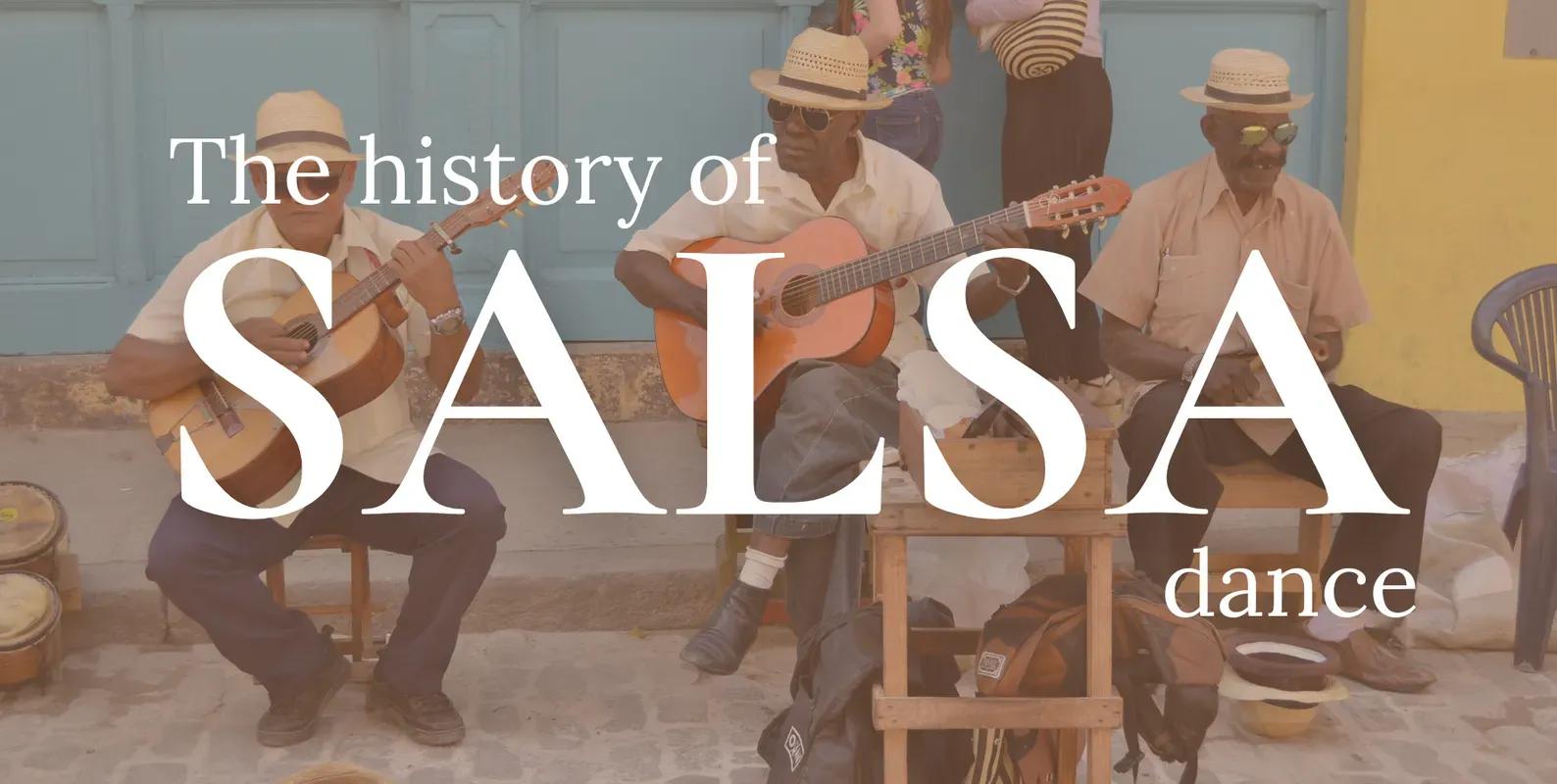
The story of salsa begins in Cuba, where son cubano emerged in the early 20th century as a conversation between African drums and Spanish guitars, between syncopation and melody.
From this foundation sprang a family of rhythms — son montuno, mambo, cha-cha-chá, and rumba — each carrying the DNA that would later define salsa.
The instruments themselves tell the story: the clave keeps the heartbeat; the congas and timbales build the dialogue; the montuno piano patterns sustain the conversation. Together, they create the distinctive groove that invites the body to move — not through strict choreography, but through instinct and call-and-response.
Afro-Cuban Spirit and the Language of Movement
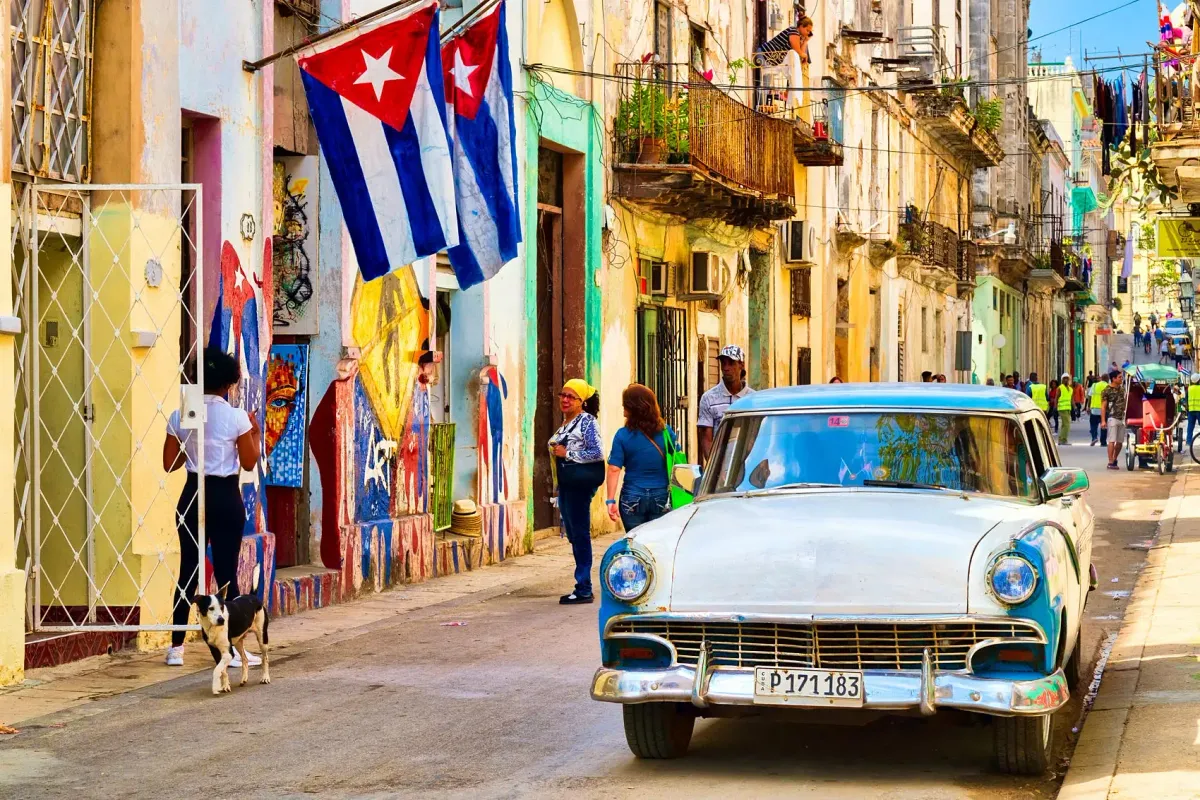
Salsa’s emotional and physical depth comes from Africa. The body isolations, the rolling hips, the improvisation within a shared rhythm — all of these echo traditional Afro-Cuban forms, where dance was a way of speaking, celebrating, and remembering.
The dialogue between percussion and motion became a living language, carrying stories of resilience, migration, and belonging.
A Journey to New York: When the Local Became Global
By the mid-20th century, that language began to travel. Musicians and dancers from Cuba, Puerto Rico, and the Dominican Republic converged in New York City. There, amid jazz, R&B, and the hum of immigrant neighborhoods, a new sound took shape.
It was in these melting streets and clubs — the Bronx, Harlem, Spanish Harlem — that salsa became more than a rhythm; it became a symbol of cultural identity.
The term “salsa” itself appeared around this time. Some trace it to the Cuban cry “¡échale salsita!” (“add a little sauce!”), others to New York promoters who needed a word that could market an entire genre of Latin music to the world. Either way, salsa captured the spirit perfectly: spicy, mixed, alive.
Fania and the Explosion of a Movement
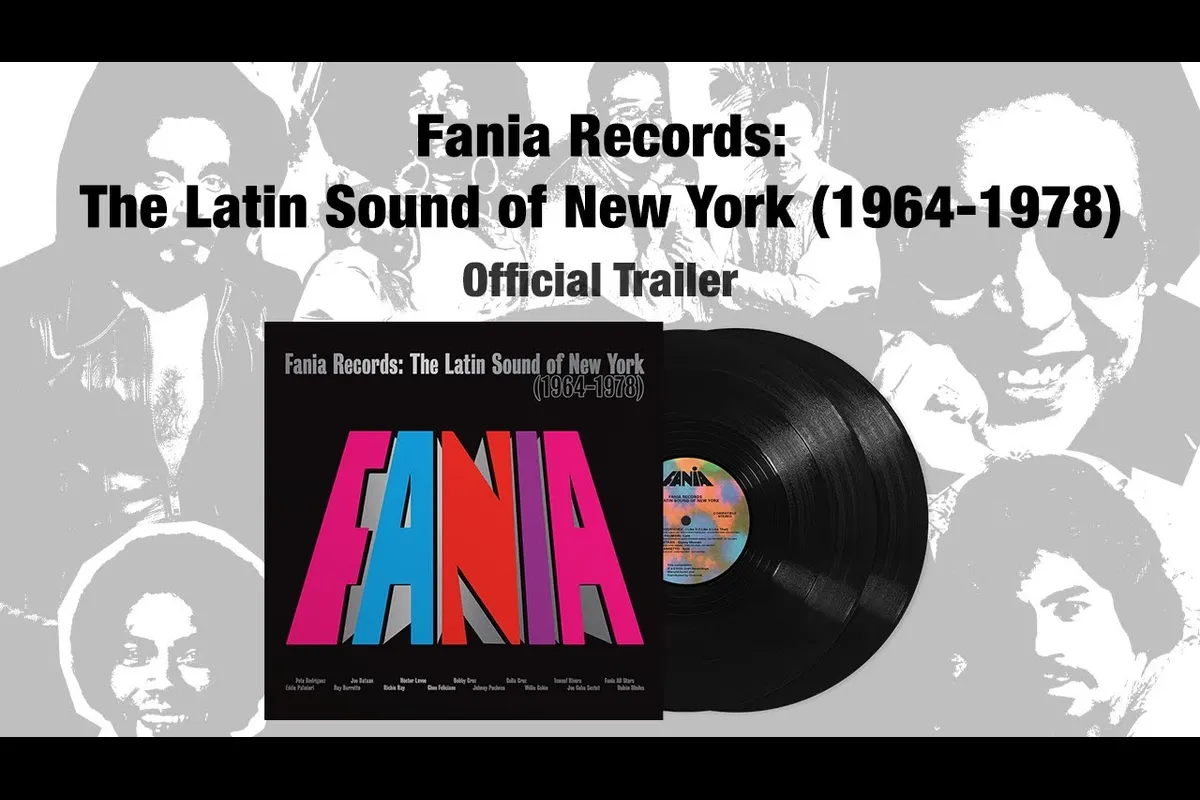
If salsa had a golden age, it was born with Fania Records. Founded in the 1960s by Johnny Pacheco and Jerry Masucci, Fania gathered the brightest stars of the scene — Celia Cruz, Willie Colón, Héctor Lavoe, Rubén Blades, Tito Puente — and turned a community sound into a global phenomenon.
The Fania All-Stars filled arenas, blending showmanship with virtuosity, giving the diaspora a sound of pride and power.
Their concerts weren’t merely performances — they were declarations of identity. For Latino communities across the Americas, salsa became a way to exist visibly, joyfully, and unapologetically.
Architects of the Sound
Salsa’s sound bears the fingerprints of countless innovators:
- Arsenio Rodríguez, who expanded the traditional son with brass and depth.
- Tito Puente, the percussionist who bridged jazz and Latin rhythm.
- Celia Cruz, whose voice carried both history and exuberance.
- Willie Colón and Héctor Lavoe, who turned the streets of New York into poetry.
These artists didn’t just create hits — they built a vocabulary. Their breaks, shouts, and rhythmic phrasing became cues for dancers, transforming music into movement.
The Dance: Styles, Lines, and Connections
As salsa spread, so did its variations.
In Havana, the circular casino style emphasized flow and partner rotation.
In Los Angeles, salsa took the form of a linear, show-oriented performance (on1).
In New York, it evolved into the smoother, jazz-influenced on2 style — subtle, musical, and syncopated.
Regardless of geography, all share a core essence: rhythm as dialogue, movement as communication, and connection as the ultimate goal.
More Than a Dance: A Social and Cultural Space
Salsa is both stage and sanctuary. It is where identity, community, and celebration intertwine. For many immigrants, it became a living link to heritage — a place to dance away longing and to claim belonging.
Across continents, salsa has built bridges between generations and between cultures, proving that rhythm needs no translation.
Flavors of the Music: Romance and Raw Power
Through the decades, salsa has diversified.
The 1980s saw the rise of salsa romántica — smoother, melodic, and radio-friendly — while salsa dura retained its raw, percussion-driven street energy.
This duality reflects the genre’s nature: tender yet fierce, intimate yet collective.
Salsa Today: A Global Pulse
Today, salsa thrives on every continent. It pulses through Bogotá, Madrid, Tokyo, and Nairobi. Modern producers weave it with reggaeton, pop, and electronic sounds — yet the heartbeat remains unchanged.
At its core lies the clave, the call between drums and dancers, and the eternal invitation to move.
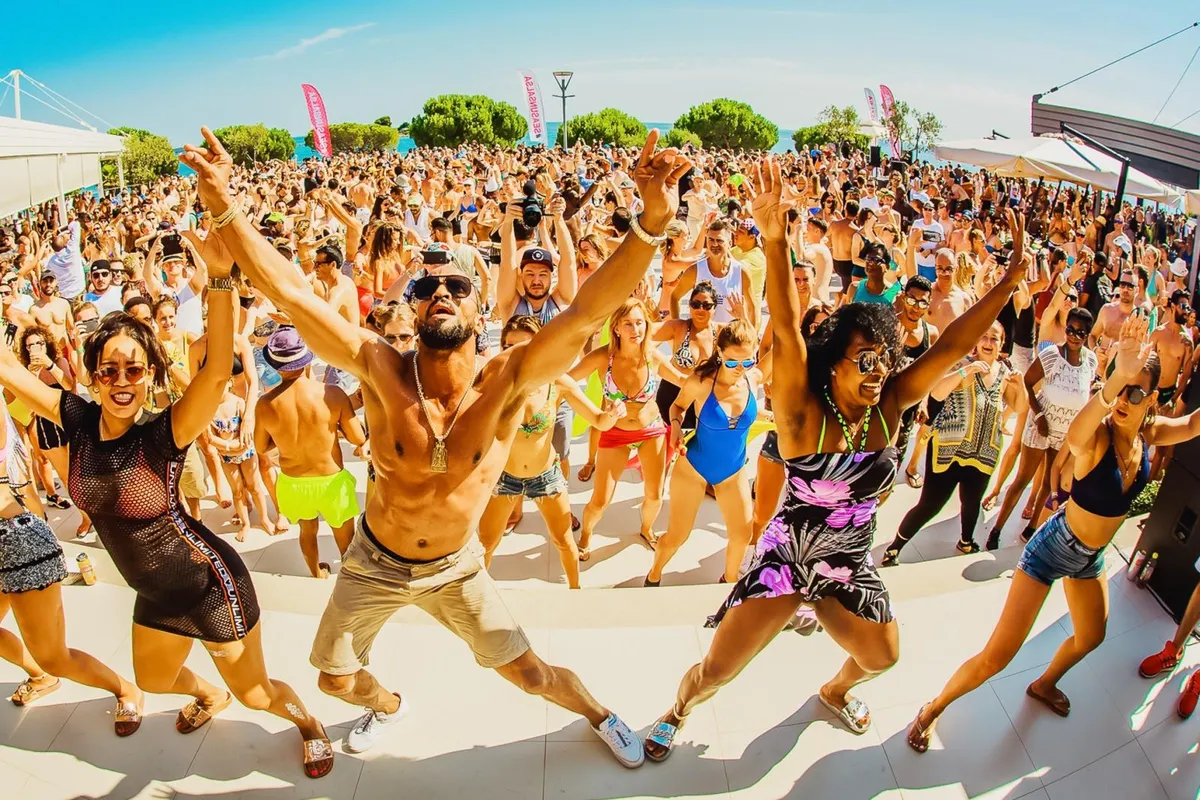
Salsa festivals, schools, and social nights around the world continue to evolve the dance, connecting people who may not share a language — but share a rhythm.
Why Salsa Endures
Salsa endures because it unites three worlds:
- Musical complexity, born of African and Latin traditions.
- Social meaning, rooted in resilience and joy.
- Physical freedom, expressed in every step, spin, and smile.
It is a dance that celebrates presence — the art of being here, together, alive to the music.


